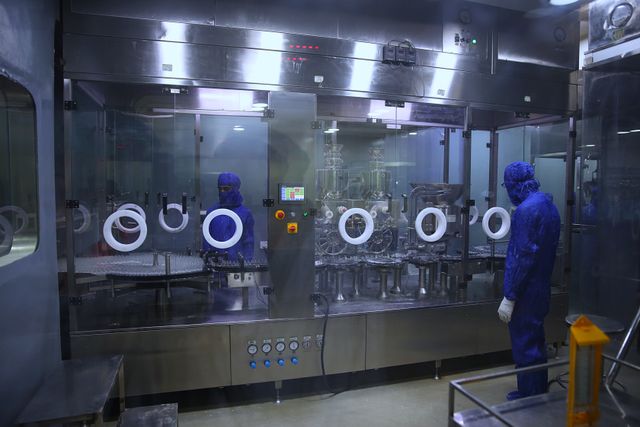
Are You Bringing a new GMP facility online?
Bringing a new Good Manufacturing Practice (GMP) facility online is a complex undertaking that extends well beyond constructing suitable premises, installing equipment and recruiting personnel. Before regulated manufacturing can commence, the facility must have the appropriate infrastructure, qualified equipment, trained staff, controlled processes and quality systems to demonstrate that operations can consistently meet applicable GMP requirements.
For therapeutic goods manufacturers, this transition involves coordinating engineering, validation, manufacturing, quality assurance, quality control, regulatory affairs and operational teams. Each function contributes to establishing a facility that is suitable for its intended activities and capable of maintaining product quality, data integrity and patient safety.
The challenge becomes more significant when a facility is being established for the first time, an existing operation is moving to a new site, or legacy procedures need to be adapted to different equipment, processes and operating conditions. Decisions made during facility development can have long-term consequences for compliance, operational efficiency and the ability to respond to regulatory inspections.
A structured approach to GMP readiness helps identify requirements early, allocate responsibilities and establish the evidence needed to demonstrate control. It also reduces the risk of discovering significant gaps shortly before manufacturing is scheduled to begin.
Establishing the GMP Requirements for the Facility
The first step in bringing a GMP facility online is defining its intended scope of operations and determining the regulatory requirements that apply.
A facility manufacturing finished pharmaceutical products will have different technical and operational requirements from one conducting active pharmaceutical ingredient manufacture, biological processing, sterile production, packaging or testing activities. The product type, manufacturing processes, dosage form, intended markets and regulatory authorisations all influence the controls required.
In Australia, therapeutic goods manufacturers must consider the applicable requirements under the Therapeutic Goods Act 1989, associated regulations and relevant Australian GMP requirements administered by the Therapeutic Goods Administration (TGA). The applicable GMP expectations depend on the manufacturing activities and products involved.
The facility's intended operations should be clearly defined before detailed design and commissioning decisions are finalised. This includes identifying:
Products and dosage forms to be manufactured.
Manufacturing and packaging processes.
Raw materials, components and finished product requirements.
Equipment and production technologies.
Environmental and facility controls.
Laboratory testing activities.
Storage and distribution arrangements.
Personnel, operational and quality responsibilities.
Activities performed by external contractors or service providers.
This information provides the foundation for facility design, equipment selection, qualification, validation planning and quality system development.
Regulatory requirements should be considered throughout the project rather than treated as a final checklist. Retrofitting GMP controls into an established facility can be costly and may introduce unnecessary operational constraints.
Facility Design and GMP Considerations
Facility design has a direct influence on contamination control, material flow, personnel movement, cleaning, maintenance and the ability to perform manufacturing activities consistently.
The layout should be appropriate for the processes being conducted. Considerations may include the separation of activities, controlled access, movement of materials, waste handling, equipment positioning and the prevention of mix-ups or cross-contamination.
The required level of environmental control will depend on the product and manufacturing process. Some operations may require controlled temperature and humidity, while others may need specific ventilation arrangements, pressure differentials or classified cleanroom environments.
For sterile manufacturing, contamination control is particularly critical. Facility design, environmental monitoring, personnel practices, equipment, utilities and process controls must work together to manage microbiological and particulate contamination risks.
A contamination control strategy should be appropriate to the facility's activities and applicable requirements. It should consider the interactions between facility design, cleaning, disinfection, personnel practices, materials, equipment and environmental controls.
Design decisions should be documented and supported by appropriate risk assessments. This allows potential hazards to be identified before construction or installation makes changes more difficult.
The facility should also be designed with maintenance and operational access in mind. Equipment that is difficult to inspect, clean or maintain can create avoidable risks and increase the complexity of ongoing GMP compliance.
Equipment Qualification and Validation Planning
Installing equipment does not automatically establish that it is suitable for GMP use. Equipment and systems must be assessed, qualified or otherwise verified as appropriate for their intended use and applicable requirements.
Qualification activities commonly include documented assessments of design, installation, operation and performance. The specific approach should reflect the equipment's function, complexity and potential impact on product quality.
For example, a manufacturing vessel may require assessment of its materials of construction, operating ranges, cleaning requirements, instrumentation and performance characteristics. A temperature-controlled storage unit may require evidence that it maintains the required conditions under defined operating circumstances.
Qualification should be planned early enough to support procurement, installation and commissioning. Waiting until equipment is installed can make it more difficult to obtain design information, supplier documentation and other evidence needed for qualification.
Validation planning should also consider manufacturing processes, cleaning procedures, analytical methods, computerised systems and other activities where validation is required.
A validation master plan or equivalent documented strategy can help coordinate these activities. It should identify the systems and processes requiring qualification or validation, responsibilities, acceptance criteria, documentation requirements and the proposed sequence of work.
The approach should be risk-based and scientifically justified. Not every system requires identical testing or documentation, but the rationale for the selected approach must be appropriate to the relevant regulatory requirements and quality risks.
Developing the Pharmaceutical Quality System Before Operations Begin
A GMP facility requires an effective Pharmaceutical Quality System (PQS) that governs how regulated activities are performed, documented, reviewed and controlled.
The quality system should be established before routine GMP operations commence. It must provide clear responsibilities and define the processes used to maintain control over manufacturing, testing, materials, equipment, documentation and quality decisions.
Core PQS elements commonly include:
Quality policy and management responsibilities.
Document and record control.
Personnel training and qualification.
Deviation and nonconformance management.
Corrective and preventive action (CAPA).
Change control.
Quality risk management.
Supplier qualification and oversight.
Equipment maintenance and calibration.
Validation and qualification governance.
Batch documentation and review.
Product quality monitoring.
Internal audits and management review.
Complaint handling and product recall arrangements, where applicable.
The procedures must reflect the actual facility and its operations. Generic procedures copied from another organisation may contain incorrect equipment references, unsuitable responsibilities or processes that do not match the new site's operating model.
A procedure should describe what personnel are required to do, who is responsible, what records must be generated and how exceptions are managed. It should be sufficiently detailed to support consistent execution without creating unnecessary administrative steps.
The quality system also needs appropriate governance. Management must understand its responsibilities for quality, provide sufficient resources and ensure that quality decisions can be made independently of inappropriate production or commercial pressure.
Adapting Legacy Procedures for a New Site
Organisations establishing a new facility often have existing procedures, forms and quality records from another manufacturing site. These documents can provide a useful starting point, but they should not automatically be transferred without review.
A procedure that was suitable for an established facility may not accurately describe the equipment, personnel, manufacturing processes or responsibilities at the new location.
Differences may include:
New equipment models or manufacturing technologies.
Changes to facility layout and material flow.
Different environmental controls.
Revised production processes.
New laboratory instruments or analytical methods.
Changes in personnel responsibilities.
Different suppliers or outsourced services.
Updated regulatory or quality requirements.
A structured procedure review should identify which documents can be retained, which require revision and which must be developed specifically for the new facility.
The review should involve the relevant subject matter experts (SMEs). Manufacturing personnel can confirm whether production procedures reflect actual operating conditions, while engineering and validation specialists can assess technical accuracy. Quality assurance should ensure that the documentation meets applicable quality system and regulatory expectations.
Document revision should also include appropriate review, approval, version control and training. Personnel must understand which procedures apply before performing the activities they govern.
Transferring documentation without confirming its suitability can create inconsistencies between approved procedures and actual practice. This is a common source of avoidable problems during inspections and internal audits.
GMP Technical Writing and Subject Matter Expert Collaboration
Technical documentation is one of the most demanding aspects of establishing a new GMP facility. Procedures and supporting documents must be technically accurate, understandable and consistent with both regulatory requirements and operational reality.
Subject matter experts often have extensive knowledge of their processes but limited time to produce and maintain controlled documentation. Engineers, scientists, production specialists and laboratory personnel may be responsible for commissioning, validation, equipment installation and operational readiness at the same time.
Experienced GMP technical writers can help convert technical knowledge into structured, usable documentation.
This may include preparing or revising:
Standard operating procedures.
Work instructions.
Equipment operating and maintenance procedures.
Validation protocols and reports.
Qualification documentation.
Cleaning procedures.
Sampling and testing procedures.
Material handling instructions.
Deviation and investigation templates.
Quality system policies and supporting records.
Effective technical writing requires collaboration. Writers need access to the relevant SMEs, approved technical information, process details and applicable requirements. Documents should be reviewed by personnel with the appropriate technical authority before approval.
The objective is not simply to produce a large volume of procedures. It is to ensure that documentation accurately describes the work, supports consistent execution and provides reliable evidence of compliance.
A coordinated documentation programme can also help prevent duplication, inconsistent terminology and conflicting instructions across departments.
Establishing Training and Personnel Competency
A facility may have qualified equipment and approved procedures, but it cannot operate effectively if personnel are not trained and competent to perform their assigned activities.
Training arrangements should be established before GMP operations commence. They should identify the requirements associated with each role and ensure that personnel receive appropriate instruction before performing relevant tasks.
Training may include:
GMP principles and relevant regulatory expectations.
Site-specific quality procedures.
Manufacturing and packaging operations.
Equipment operation and cleaning.
Laboratory testing and data recording.
Deviation and change reporting.
Data integrity requirements.
Contamination control and hygiene.
Safety and emergency procedures.
Training records should demonstrate what training was completed, which document or subject was covered, when the training occurred and who completed it.
For activities requiring practical competence, reading a procedure may not be sufficient. Supervised practice, observed task performance or formal qualification may be appropriate.
Training effectiveness should also be considered. The organisation needs confidence that personnel understand the requirements and can perform their responsibilities correctly.
As the facility expands or processes change, training arrangements must be maintained. New equipment, revised procedures and changes to manufacturing activities may require additional training or reassessment.
Managing GMP Risks Through Change Control and Deviation Management
Bringing a new facility online involves numerous changes. Equipment may be modified, commissioning activities may identify technical issues, procedures may be revised and operating conditions may require adjustment.
A controlled change management process ensures that proposed changes are assessed, reviewed and approved before implementation where required. The assessment should consider potential impacts on product quality, validation status, documentation, training and regulatory compliance.
Deviations must also be managed appropriately. An unexpected result, equipment failure, procedural departure or other event that may affect GMP operations should be documented and assessed according to established procedures.
Investigations should seek to understand the underlying causes rather than simply correct the immediate problem. Where corrective and preventive actions are required, their implementation and effectiveness should be evaluated.
These processes are particularly important during commissioning and initial operations, when new systems and procedures are being tested under actual working conditions.
A well-designed quality system encourages personnel to report problems promptly and ensures that issues are assessed consistently. Concealing or informally correcting problems without appropriate documentation can undermine the organisation's ability to demonstrate control.
Preparing for Your First TGA Inspection
A first TGA inspection is an important milestone for a new Australian manufacturing facility. Preparation should begin well before an inspection date is confirmed.
The organisation needs to demonstrate that its premises, equipment, personnel, procedures and quality systems are suitable for the manufacturing activities being undertaken. The evidence must be consistent with actual operations.
Inspection readiness involves more than having approved SOPs available. Inspectors may examine records, observe activities, interview personnel and assess whether procedures are followed in practice.
Preparation should include reviewing:
The scope of manufacturing activities and relevant authorisations.
Facility and equipment qualification documentation.
Validation plans, protocols and reports.
Approved procedures and associated training records.
Batch manufacturing and packaging records, where applicable.
Deviation investigations and CAPA records.
Change control documentation.
Supplier qualification and oversight.
Laboratory controls and analytical records.
Data integrity arrangements.
Internal audit findings and management review records.
Personnel should understand their responsibilities and be able to explain the procedures relevant to their work. They should answer questions accurately and refer to appropriate records when required rather than speculate or provide unsupported explanations.
Mock inspections or structured readiness assessments can help identify weaknesses before a formal inspection. Findings should be documented, prioritised and addressed through appropriate quality processes.
Inspection readiness should be treated as an ongoing state of operational control, not a short-term exercise undertaken immediately before an inspector arrives.
Coordinating Commissioning, Qualification and Operational Readiness
Commissioning and qualification activities should be coordinated with quality system implementation and operational planning.
Engineering teams may be focused on completing installation and confirming that systems function as intended. Quality and validation personnel need to ensure that the required documentation, assessments and approvals are available before systems are used for regulated activities.
A coordinated readiness plan can help track key milestones, responsibilities and dependencies. It should identify which facilities, utilities, equipment and procedures must be available before specific manufacturing activities can begin.
The plan should also account for outstanding actions. Not every project issue will necessarily prevent all activities, but any decision to proceed with unresolved items must be justified, assessed and approved in accordance with applicable requirements.
Operational readiness should be demonstrated through appropriate evidence, not assumed because construction or commissioning has been completed.
Building a Sustainable GMP Operation
The initial establishment of a GMP facility is only the beginning. Once operations commence, the organisation must maintain the systems, personnel and oversight needed to remain compliant.
This includes periodic review of procedures, ongoing training, equipment maintenance, continued validation oversight, supplier monitoring, internal audits and management review.
Quality performance should be monitored using meaningful information. Trends in deviations, recurring equipment problems, overdue CAPAs, audit findings and process performance can help identify weaknesses before they develop into more
