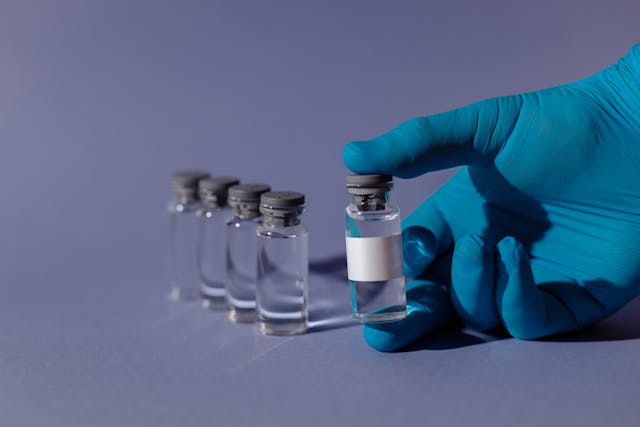
Establishing Readiness for Clinical Trial Manufacturing
Are You Ready for Clinical Trial Manufacturing? Free Assessment >>
Clinical trial manufacturing is a critical phase in the development of therapeutic products, encompassing the production of investigational medicinal products (IMPs) in compliance with Good Manufacturing Practice (GMP) standards. Ensuring readiness for clinical trial manufacturing requires a structured approach, combining technical, regulatory, and quality system considerations. Companies engaging in this process, including biotechnology firms, testing laboratories, and therapeutic goods manufacturers, must demonstrate robust control over production processes to meet regulatory expectations. Quality Systems Now, specialists in GMP and regulatory compliance, provide guidance to organisations seeking to establish readiness for clinical trial manufacturing with confidence and efficiency.
Understanding Regulatory Requirements
A central component of readiness is understanding the regulatory framework governing clinical trial manufacturing. In Australia, therapeutic goods manufacturing is regulated under the Therapeutic Goods Administration (TGA), which aligns with international standards, including ICH Q7 and EU GMP guidelines. These regulations specify requirements for facility design, personnel qualifications, equipment qualification, documentation, and quality management systems. Companies must ensure that their manufacturing sites, equipment, and processes meet these standards before initiating production for clinical trials. Compliance with these regulatory frameworks not only ensures patient safety but also facilitates acceptance of clinical data by regulatory authorities.
Facility and Infrastructure Considerations
Facility readiness is a fundamental aspect of clinical trial manufacturing. Production areas must be designed to prevent contamination, cross-contamination, and mix-ups. This includes controlled cleanroom environments, appropriate HVAC systems, and validated utilities such as water for injection (WFI) and compressed gases. Segregation of production processes for different products is essential to avoid cross-contamination, particularly in multi-product facilities. Quality Systems Now recommends conducting a gap analysis of existing facilities to identify areas requiring modifications or upgrades prior to clinical trial production. This proactive approach ensures that infrastructure meets GMP expectations and supports consistent product quality.
Personnel Competence and Training
Personnel are a critical component of readiness. Staff involved in clinical trial manufacturing must have documented training in GMP principles, standard operating procedures (SOPs), and specific production processes. Training should be role-specific and include both theoretical and practical components, with regular refresher sessions to maintain competence. Quality Systems Now advises organisations to implement comprehensive training matrices, ensuring that each employee’s skills align with their responsibilities. Properly trained personnel reduce the risk of errors, deviations, and regulatory non-compliance during the manufacturing process.
Quality Management Systems and Documentation
A robust Quality Management System (QMS) underpins clinical trial manufacturing readiness. This system includes SOPs, batch records, deviation management, change control, and document control processes. Each element must be carefully designed to ensure traceability, accountability, and consistency in production. Documentation should be clear, accurate, and complete, facilitating regulatory inspections and audits. Quality Systems Now supports organisations in establishing and maintaining QMS frameworks tailored to clinical trial production, ensuring that all processes are documented, validated, and compliant with GMP requirements.
Process Development and Validation
Process readiness involves the development, optimisation, and validation of manufacturing processes. For clinical trials, processes must be reproducible, controlled, and capable of producing consistent product quality. Validation activities include equipment qualification, process validation, analytical method validation, and stability studies. Establishing acceptance criteria and critical process parameters ensures that the process remains within defined limits. Early identification of potential risks, coupled with robust process controls, mitigates the likelihood of deviations during trial production. Quality Systems Now assists companies in planning and executing these validation activities to meet regulatory expectations efficiently.
Supply Chain and Material Management
Readiness extends beyond the facility and personnel to encompass the supply chain. Clinical trial manufacturing requires timely availability of raw materials, reagents, excipients, and packaging components. Suppliers must be qualified, and incoming materials tested and documented to ensure compliance with specifications. Contingency planning for supply interruptions is essential, given the strict timelines of clinical trials. Quality Systems Now advises organisations on supplier qualification programs, material traceability, and inventory management strategies to ensure uninterrupted production while maintaining GMP compliance.
Risk Management and Compliance Oversight
A proactive approach to risk management is essential in clinical trial manufacturing readiness. Identifying potential risks associated with facilities, processes, materials, and personnel allows organisations to implement mitigation strategies before production commences. Quality risk management tools, such as Failure Mode and Effects Analysis (FMEA) and Hazard Analysis Critical Control Point (HACCP) principles, support this process. Additionally, regular internal audits and self-inspections provide oversight and continuous improvement of GMP compliance. Quality Systems Now provides guidance on implementing effective risk management frameworks and compliance oversight programs tailored to clinical trial manufacturing environments.
Technology Transfer and Scale-Up Considerations
For organisations moving from laboratory-scale development to clinical trial manufacturing, technology transfer is a key readiness activity. It involves transferring production methods, analytical techniques, and control strategies from R&D to the manufacturing facility while maintaining product quality. Scale-up considerations, including equipment capacity, process reproducibility, and validation requirements, must be carefully addressed. Effective technology transfer ensures that trial material is produced consistently and in compliance with regulatory expectations. Quality Systems Now supports technology transfer planning and execution, bridging the gap between development and clinical manufacturing.
Conclusion
Establishing readiness for clinical trial manufacturing is a multidimensional process requiring attention to regulatory compliance, facility and personnel preparedness, quality systems, process validation, supply chain management, and risk oversight. Queensland biotechnology companies, therapeutic goods manufacturers, and testing laboratories benefit from structured support in navigating these requirements. Quality Systems Now, specialists in GMP and regulatory compliance, provide guidance and expertise to ensure organisations achieve readiness efficiently, safely, and in alignment with regulatory standards. By implementing comprehensive preparation strategies, companies can confidently produce clinical trial materials that meet quality expectations and support successful clinical outcomes.
